Roasted Eggplant: Unveiling the Truth About Salting for Best Flavor
The humble eggplant transforms into a culinary marvel when roasted – its firm flesh yields to a silky tenderness, its subtle flavor deepens into a rich, savory experience. From a simple side dish to a versatile ingredient in pastas, dips, and more, perfectly
roasted eggplant is a delight. Yet, for many home cooks, one question persists: should you salt eggplant before roasting? This age-old debate often leaves aspiring chefs wondering if the extra step is truly necessary for achieving the best flavor and texture.
For decades, salting eggplant, letting it drain, and then rinsing was standard practice. This method, often referred to as "purging," was believed to draw out bitterness and excess water, preventing a soggy final product. However, as culinary knowledge evolves and eggplant varieties change, many now question the necessity of this time-consuming technique. Let's delve into the truth about salting for your next batch of delicious roasted eggplant.
The Allure of Perfectly Roasted Eggplant
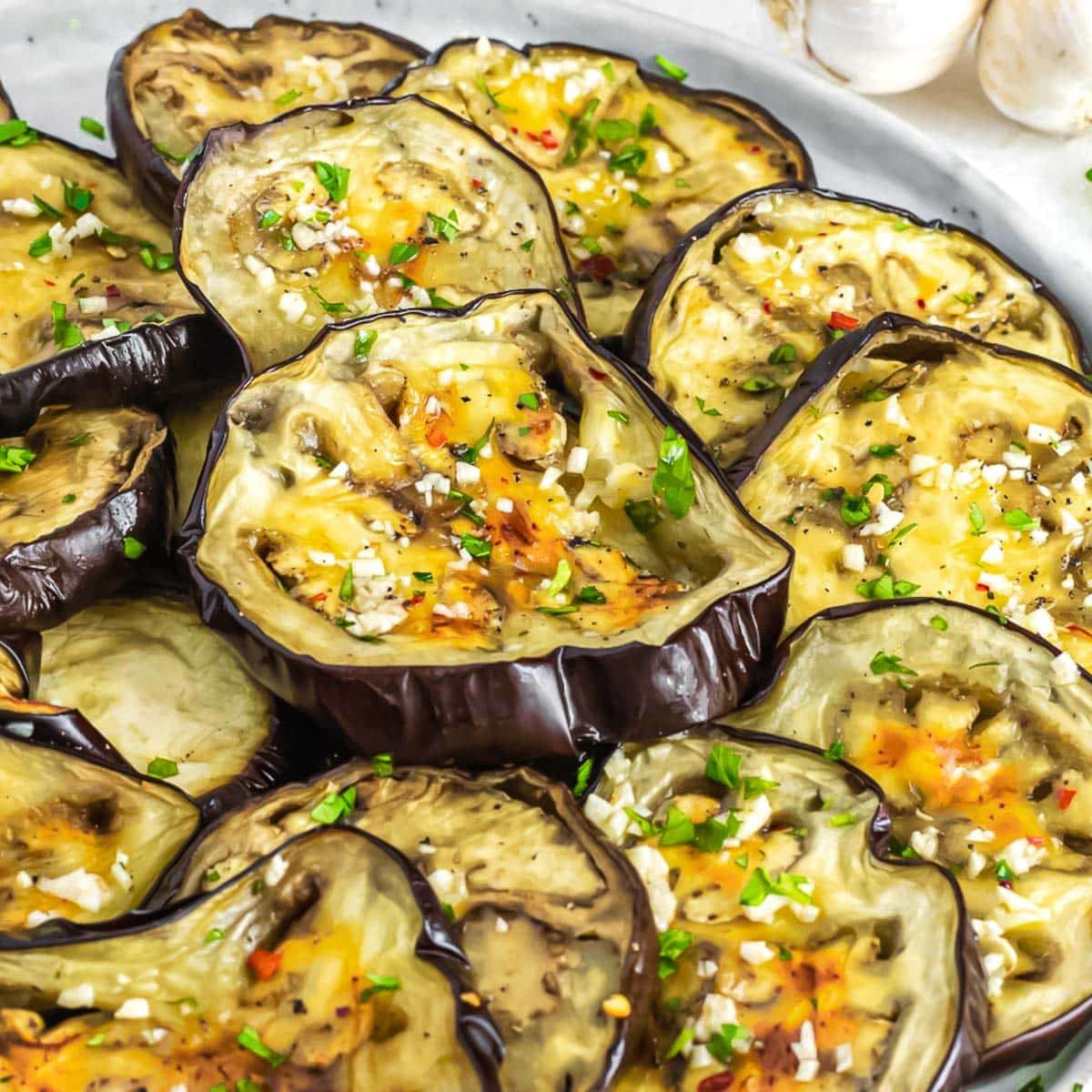
Before we tackle the salting dilemma, let's appreciate what makes roasted eggplant so irresistibly good. When exposed to high heat and a generous coating of oil, eggplant undergoes a magical transformation. Its naturally spongy texture becomes wonderfully tender, almost creamy, on the inside, while the exterior develops a beautiful golden-brown caramelization. This process concentrates its earthy flavors, creating a rich, satisfying taste that is truly unique.
Roasted eggplant is incredibly versatile. It can be tossed with fresh herbs and garlic for an effortless side dish, incorporated into robust pasta sauces, blended into a smoky baba ghanoush dip, or even served as a hearty vegetarian main. Its ability to absorb flavors makes it a fantastic canvas for a wide array of seasonings, from simple salt and pepper to complex spices and fresh aromatics. Achieving this optimal texture and depth of flavor is precisely why the salting question holds so much weight for many cooks.
The Great Salting Debate: Tradition vs. Modern Convenience
The question of whether to salt eggplant before cooking is perhaps one of the most enduring culinary controversies. Understanding both sides of the argument is key to making an informed decision that suits your cooking style and desired outcome.
Why Did We Salt Eggplant? The Traditional View
Historically, salting eggplant served two primary purposes:
1.
Extracting Bitterness: Older varieties of eggplant, especially larger ones, contained higher concentrations of compounds called solasonine and solamargine, which can impart a bitter taste. Salting was thought to draw these bitter compounds out along with the moisture.
2.
Reducing Water Content: Eggplant is notoriously high in water, which can lead to a soft, spongy, and sometimes watery texture if not properly cooked. Sprinkling eggplant pieces with a generous amount of salt and letting them sit for a period (often 30 minutes to an hour) causes osmosis to occur, pulling water from the cells. This excess moisture would then drain away, theoretically leading to a firmer, less soggy, and more flavorful roasted product. Recipes like the one from Food Network, which calls for 2 tablespoons of kosher salt and a 30-minute drain time, exemplify this traditional approach. The idea is that with less water, the eggplant can brown more effectively, achieving that desirable rich, caramelized crust.
Is Salting Still Necessary? A Modern Perspective
In recent years, many culinary experts and home cooks alike have challenged the necessity of the salting step. Here's why:
*
Reduced Bitterness in Modern Varieties: The most compelling argument against salting for bitterness is that modern eggplant varieties have been selectively bred to be significantly less bitter than their predecessors. Most eggplants you find in grocery stores today – particularly the common globe or Italian varieties – possess a mild, pleasant flavor that rarely requires bitterness extraction.
*
Time-Saving Convenience: For busy home cooks, adding an extra 30-60 minutes to a recipe for salting and draining can be a significant deterrent. If the benefits are minimal, then skipping this step makes the dish much more accessible.
*
Achieving Texture Without Salting: While salting does draw out water, excellent texture can still be achieved without it. The key lies in proper preparation and roasting techniques. Generous oiling, high oven temperatures, and avoiding overcrowding the pan are highly effective at promoting browning and tenderization, allowing the water to evaporate during the cooking process. As noted by A Couple Cooks, "Salting and draining eg[gplant] is not necessary to extract bitterness." They advocate for skipping this step, emphasizing that modern eggplants don't require it.
So, what's the verdict? For most modern eggplant and most roasted eggplant preparations,
salting is largely optional. You can achieve fantastic flavor and texture without it, saving yourself time and effort. However, if you have a particularly large or older eggplant, or if you prefer a slightly denser, meatier texture in your roasted eggplant, a quick 30-minute salt and drain can still be a beneficial step. Experimentation is key to finding what works best for your palate and your chosen eggplant variety.
Mastering the Art of Unsalted Roasted Eggplant
Opting to skip the salting step doesn't mean compromising on flavor or texture. By focusing on a few crucial techniques, you can achieve wonderfully tender and caramelized roasted eggplant every time. Here's a comprehensive guide:
1. Choose Your Eggplant Wisely
Look for eggplants that are firm, heavy for their size, and have smooth, shiny skin. Avoid any with soft spots, wrinkles, or discoloration, as these can indicate an older or less fresh vegetable.
2. Prepare Your Eggplant
*
No Peeling Needed: The skin of most eggplants is perfectly edible and adds a slight textural contrast. You don't need to peel it unless you prefer a completely uniform texture.
*
Chop to Size: Cut the eggplant into 1-inch (or 1 1/2-inch, as per Food Network) chunks. While they may seem large initially, remember that eggplant deflates and shrinks considerably during roasting due to water loss. For uniform cooking, ensure pieces are roughly the same size.
*
How to Cut Eggplant Chunks:
1. Trim off both ends of the eggplant.
2. Stand the eggplant upright and slice it lengthwise into 1-inch thick planks.
3. Stack the planks and cut them into 1-inch wide strips.
4. Turn the strips and cut them crosswise into 1-inch cubes.
3. The Crucial Oiling and Seasoning
Eggplant is like a sponge, readily absorbing oil. This is a good thing for roasting, as the oil facilitates browning and prevents sticking.
*
Generous Olive Oil: Toss the eggplant chunks with a generous amount of good quality extra virgin olive oil – about 1/4 cup for two medium eggplants (as suggested by A Couple Cooks). Ensure every piece is thoroughly coated. Mix it immediately after the oil hits the flesh, as it soaks it up quickly.
*
Season Simply: A simple seasoning of freshly ground black pepper and about 3/4 teaspoon of salt (or to taste) is often all you need. The salt will season the eggplant, but without the prolonged draining step, it won't significantly purge moisture.
4. Perfect Roasting Conditions
*
Preheat Oven to 425°F (220°C): High heat is essential for effective browning and tenderization.
*
The Hot Pan Secret: This is a game-changer! Place your empty baking sheet in the oven while it preheats for at least 10 minutes (as per Food Network). A hot pan ensures immediate searing when the eggplant hits it, preventing sticking and promoting a beautiful crust. Carefully remove the hot pan and brush or drizzle it with a little more olive oil before adding the eggplant.
*
Don't Crowd the Pan: Spread the oiled eggplant out in a single layer on the hot baking sheet. Overcrowding will cause the eggplant to steam rather than roast, resulting in a less desirable texture. Use two baking sheets if necessary.
*
Roast Until Tender and Brown: Roast for about 30 to 35 minutes, or until the eggplant is deeply browned, tender yet still firm, and slightly caramelized. Give the pan a shake or flip the pieces halfway through to ensure even cooking.
5. Flavor Boosters
Once your roasted eggplant is out of the oven, elevate its flavor profile:
*
Aromatics and Herbs: Toss the hot eggplant with finely minced garlic, shallots, and fresh herbs like parsley or basil (combining the techniques from both reference recipes). The residual heat will gently cook the aromatics, releasing their fragrance. Food Network's method of finely chopping shallot, garlic, and parsley together, then stirring with walnut oil, is an excellent way to prepare a vibrant finishing dressing.
*
Other Ideas: A squeeze of fresh lemon juice brightens the flavor, a sprinkle of chili flakes adds a gentle heat, or a drizzle of balsamic glaze enhances richness.
Maximizing Flavor and Texture in Your Roasted Eggplant
Whether you choose to salt or not, these additional tips will help you achieve phenomenal roasted eggplant:
*
Embrace the Right Oils: Use a robust olive oil for roasting, as it can withstand the high heat and contribute to browning. For a finishing touch, consider a drizzle of flavorful walnut oil (as suggested by Food Network) or a high-quality extra virgin olive oil to add depth and richness just before serving.
*
Give it Space: This cannot be stressed enough! A crowded pan is the enemy of crispy, caramelized roasted vegetables. Ensure ample space between each eggplant piece to allow moisture to evaporate and direct heat to reach the surfaces.
*
Preheat Your Pan: Reiterate the Food Network tip – a screaming hot baking sheet creates an instant sear, locking in flavor and preventing the eggplant from stewing in its own juices. This is especially beneficial if you skip the pre-salting step.
*
Fresh is Best: For the most vibrant flavor, use fresh garlic, shallots, and herbs. Chop them finely just before adding to the hot eggplant to maximize their aromatic impact.
*
Don't Fear the Shrinkage: Eggplant will reduce significantly in volume as it roasts, losing its water content. This is perfectly normal and a sign that its flavors are concentrating, leading to a more intense and delicious result.
In conclusion, while the tradition of salting eggplant before roasting has historical roots in reducing bitterness and moisture, modern eggplant varieties and effective roasting techniques have largely rendered this step optional for many home cooks. You can achieve wonderfully silky, tender, and deeply flavored
roasted eggplant by focusing on generous oiling, high heat, and preventing pan overcrowding. Embrace the simplicity and versatility of this incredible vegetable, ready to be enjoyed as a standalone side or transformed into countless dishes. Explore
Beyond a Side: Roasted Eggplant Ideas for Pasta, Dips & More to unlock its full culinary potential!