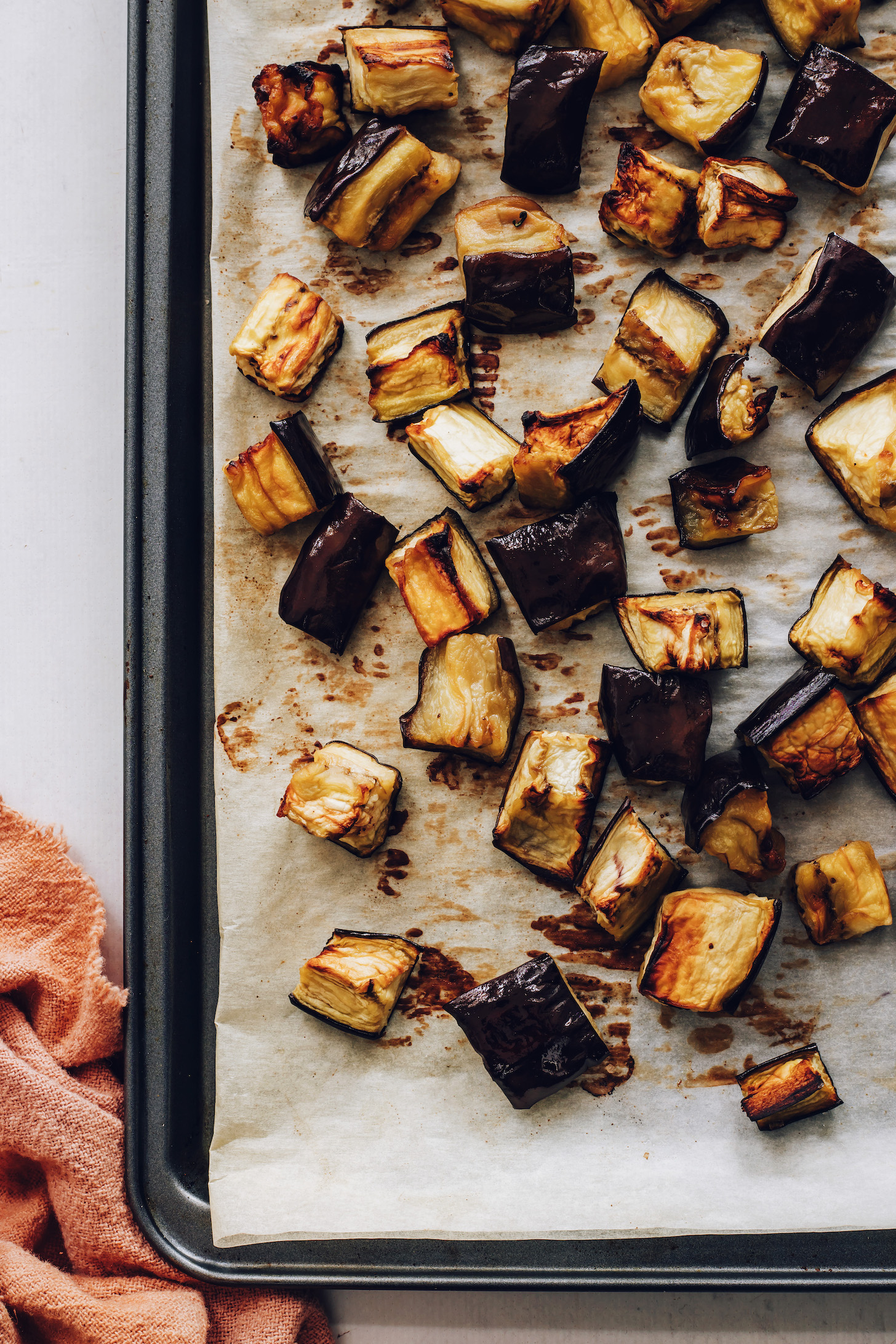
Roast Eggplant to Perfection: Silky, Tender & Flavorful
Few vegetables undergo as magical a transformation in the oven as eggplant. What begins as a firm, somewhat spongy fruit emerges as a revelation: remarkably silky, intensely tender, and imbued with a deep, savory flavor that can elevate any meal. Whether you’re a longtime eggplant enthusiast or curious to explore its culinary potential, mastering the art of perfect
roasted eggplant is a skill that will reward you with endless delicious possibilities. Forget bland, watery eggplant – we're talking about rich, caramelized pieces that are simply irresistible.
The Magic of Roasting: Why It's the Best Way to Cook Eggplant
Roasting isn't just a cooking method; it's a metamorphosis for eggplant. Unlike frying, which can make it greasy, or boiling, which leaves it soggy, high-heat roasting coaxes out its natural sweetness and transforms its texture. The dry heat of the oven allows the eggplant's abundant moisture to evaporate, concentrating its flavors and collapsing its cell structure into that coveted melt-in-your-mouth tenderness. The outer edges caramelize beautifully, developing a nutty, almost smoky character that contrasts wonderfully with the creamy interior. This "unreal flavor," as some describe it, is why roasted eggplant consistently earns rave reviews and finds its way onto plates as a beloved side dish or main ingredient.
Prepping Your Eggplant for Roasting Success
The journey to perfect roasted eggplant begins with proper preparation. It's not complicated, but a few key steps make all the difference.
Choosing and Cutting Your Eggplant
Start with fresh, firm eggplants that feel heavy for their size and have smooth, glossy skin without blemishes. For roasting, most varieties work well, but larger globe eggplants are common.
When it comes to cutting, you have options, and the method largely depends on your intended use:
- Diced Eggplant: For a versatile side dish, mixing with pasta, or mashing into a dip, 1 to 1.5-inch chunks are ideal. They shrink considerably during roasting, so don't be afraid to cut them larger than you might initially think. To dice, first trim off the ends, then slice the eggplant lengthwise into 1-inch thick planks. Stack these planks and cut into 1-inch strips, then rotate and cut crosswise into cubes.
- Slices or Planks: If you're planning to layer them in a gratin, use them in sandwiches, or serve them as a more substantial side, you can cut the eggplant into thick rounds (about 1-inch) or long lengthwise planks of similar thickness.
The Great Salting Debate: To Salt or Not to Salt?
For decades, conventional wisdom dictated that salting eggplant before cooking was essential to draw out bitterness and excess water. You'd sprinkle the eggplant with salt, let it drain in a colander for an hour, then rinse and pat dry. However, modern research and culinary practice have largely debunked the necessity of this step for most contemporary eggplant varieties.
Today's eggplants are typically bred to be less bitter, especially when fresh. While salting *does* draw out some moisture, the high heat of roasting effectively evaporates water anyway, achieving a similar concentration of flavor and texture without the extra time commitment. Unless you have an older, potentially more bitter eggplant, or you're specifically looking to reduce the "sponge effect" for something like frying, you can often skip this step entirely for
roasted eggplant. We delve deeper into this topic in our dedicated article:
Roasted Eggplant: The Truth About Salting for Best Flavor. For this roasted eggplant recipe, you'll find it's often unnecessary, allowing you to get to the delicious part even faster!
The Art of Roasting: Your Step-by-Step Guide
Achieving perfectly tender, flavorful roasted eggplant is incredibly straightforward with these steps.
- Preheat Your Oven and Pan: This is a crucial, often overlooked step. Preheat your oven to a high heat, typically 425°F (220°C). While the oven preheats, place a large baking sheet inside for at least 10 minutes. A hot pan immediately begins to sear the eggplant upon contact, preventing it from steaming and ensuring a beautiful caramelization.
- Oil and Season the Eggplant: In a large bowl, toss your chopped or sliced eggplant with a generous amount of olive oil. Eggplant is incredibly porous and will absorb oil quickly, so don't be shy – about 1/4 cup for two large eggplants is a good starting point. Drizzle with extra-virgin olive oil and season simply with freshly ground black pepper. (You can add salt later, after roasting, or a small amount now if you prefer). Mix immediately after the oil hits the flesh to ensure even coating.
- Spread and Roast: Carefully remove the scorching hot baking sheet from the oven. You can brush or drizzle it with a tiny bit more olive oil if desired. Spread the oiled eggplant pieces in a single layer on the hot pan. Do not overcrowd the pan; this is vital. If the eggplant pieces are too close, they will steam rather than roast. Use two baking sheets if necessary. Return the pan(s) to the oven.
- Roast Until Perfection: Roast for about 30 to 35 minutes, or until the eggplant is wonderfully tender, collapsed, and a rich, deep brown on the edges. Give it a gentle toss halfway through to ensure even cooking and browning. Remember, the roasted pieces will be significantly smaller than when you started, as much of the water has evaporated.
Finishing Touches: Flavoring Your Roasted Eggplant
Once your eggplant emerges from the oven, its transformation is nearly complete. Now is the time to infuse it with fresh, vibrant flavors:
- Classic Garlic & Herbs: Immediately transfer the hot roasted eggplant to a serving bowl. Toss with freshly minced garlic (the residual heat will gently cook it, mellowing its bite), and a generous handful of finely chopped fresh flat-leaf parsley or basil. A drizzle of high-quality walnut oil can add another layer of sophisticated flavor.
- Other Flavor Combinations: Don't limit yourself! Try a sprinkle of red pepper flakes for heat, a squeeze of lemon juice for brightness, a dash of smoked paprika for depth, or a sprinkle of za'atar for a Mediterranean twist.
Beyond the Side Dish: Creative Ways to Enjoy Roasted Eggplant
While
roasted eggplant makes a magnificent standalone side, its versatility shines when incorporated into other dishes. Its silky texture and concentrated flavor make it a fantastic component in countless meals.
*
Tossed with Pasta: One of the easiest and most satisfying ways to enjoy roasted eggplant. Simply mix it with your favorite pasta, a little olive oil, garlic, fresh basil, and maybe some cherry tomatoes and Parmesan cheese for a quick and flavorful dinner. It transforms into a delicious Roasted Eggplant Pasta in a flash.
*
In Dips and Spreads: Leftover roasted eggplant is perfect for pureeing in a food processor to create a luscious dip. Blend with tahini, lemon juice, and garlic for a homemade baba ghanoush, or simply with a touch of olive oil and herbs for a simpler spread. Serve with pita bread, crackers, or fresh vegetables.
*
Added to Salads: Cool roasted eggplant adds a substantial and flavorful element to green salads, grain bowls, or even potato salads.
*
Layered in Sandwiches or Wraps: Use slices or planks of roasted eggplant as a hearty, savory component in vegetarian sandwiches, wraps, or even as a topping for bruschetta.
*
Stews and Curries: Its ability to absorb flavors makes it a wonderful addition to slow-cooked dishes, adding body and richness.
For more inspiring ideas and recipes that take your roasted eggplant beyond a simple side, explore our article:
Beyond a Side: Roasted Eggplant Ideas for Pasta, Dips & More.
Tips for Roasting Success
- Don't Skimp on Oil: Eggplant loves oil. It helps with browning and texture.
- High Heat is Key: A 425°F oven ensures proper caramelization and prevents sogginess.
- Hot Baking Sheet: Preheating your pan makes a significant difference in achieving those beautiful browned edges.
- Single Layer: Resist the urge to pile up your eggplant. Give it space to breathe and brown.
- Taste and Adjust: Seasoning after roasting is often best, especially with salt, as the eggplant's volume reduces significantly.
Conclusion
Roasting eggplant isn't just about cooking; it's about unlocking the full potential of a humble vegetable. From its initial firm state to a gloriously silky, tender, and deeply flavorful finish, roasted eggplant is a testament to the transformative power of simple culinary techniques. With minimal effort, you can create a dish that's both incredibly satisfying and endlessly versatile, perfect as a vibrant side, a hearty addition to pasta, or a delicious base for dips. Embrace the heat, follow these steps, and prepare to fall in love with perfectly
roasted eggplant.