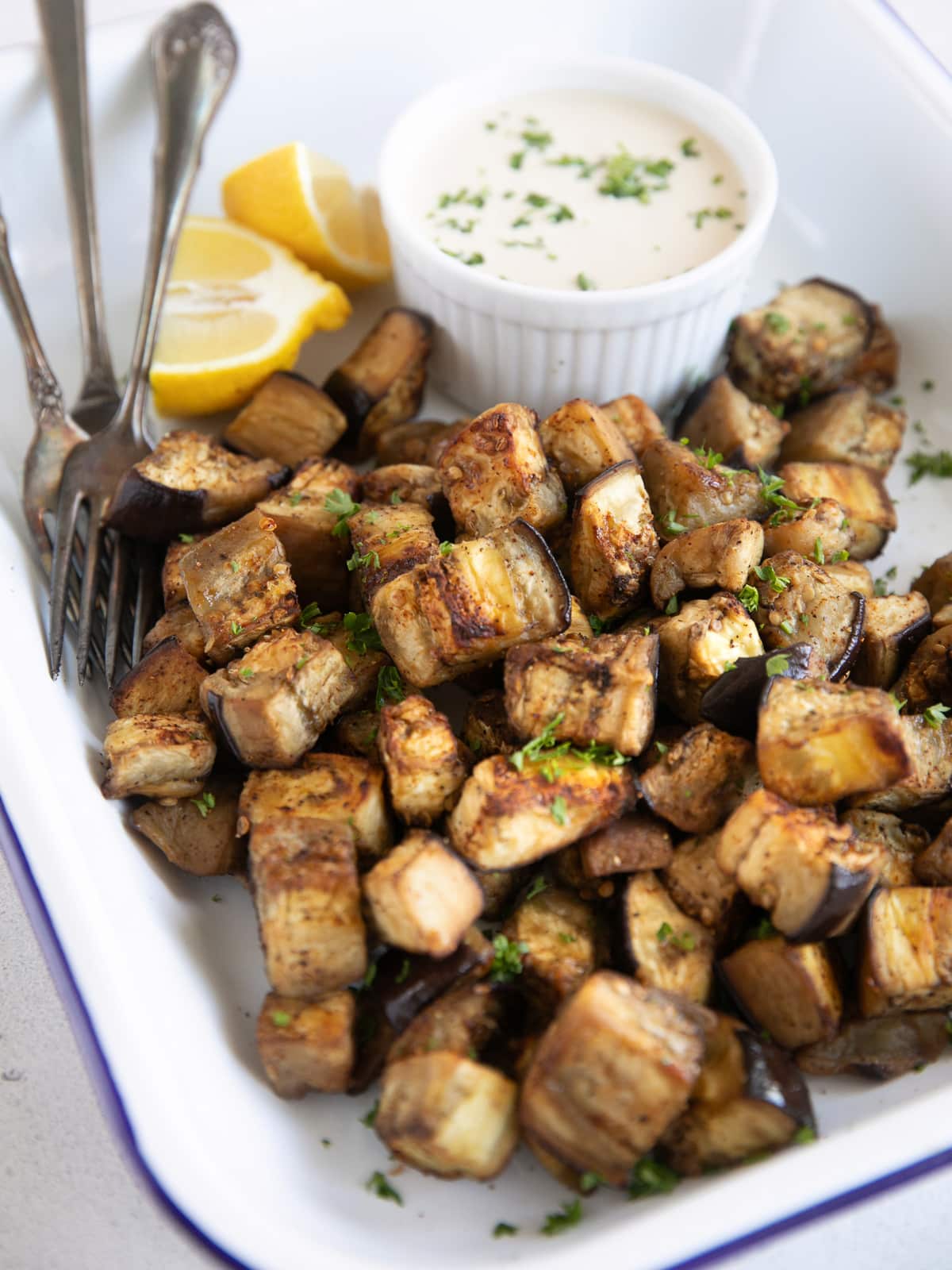
The Culinary Chameleon: Unleashing the Potential of Roasted Eggplant
Far too often, eggplant is relegated to the sidelines, a humble ingredient waiting for its moment to shine. But when subjected to the transformative power of roasting, this versatile vegetable sheds its shy exterior, emerging as a culinary superstar. Tender, subtly sweet, and wonderfully savory,
roasted eggplant is far more than just a side dish. It's a flavor-packed foundation for vibrant pasta dishes, luxuriously smooth dips, and an array of creative culinary adventures. Get ready to explore how this simple cooking method elevates eggplant to new heights, making it a staple you'll want to revisit again and again.
Why Roasting is the Secret to Eggplant Perfection
Many might associate eggplant with bitterness or a spongy texture. However, roasting at a high temperature works a kind of magic. The intense heat not only cooks the eggplant through but also caramelizes its natural sugars, deepening its flavor profile. Crucially, it also allows much of the eggplant's inherent moisture to evaporate, resulting in a dense, silky, and incredibly tender flesh that practically melts in your mouth. This process creates a texture that's utterly irresistible, a far cry from the sometimes-mushy or oily results of other cooking methods. The exterior often gains a beautiful rich brown, even slightly charred, finish, adding another layer of complexity and visual appeal.
Mastering the Roast: Step-by-Step for Silky, Flavorful Eggplant
Achieving perfectly roasted eggplant is surprisingly simple, requiring just a few key steps and a keen eye for detail. The goal is a tender, yet firm texture with a rich, inviting color.
Selecting and Prepping Your Eggplant
The journey to perfect roasted eggplant begins with selecting the right produce. Look for eggplants that are firm, heavy for their size, and have smooth, shiny skin without blemishes. The stem should be green and fresh-looking.
Once you have your fresh eggplants, the preparation is straightforward:
- Cut with Purpose: For roasting, you'll want to cut your eggplant into pieces that are roughly uniform to ensure even cooking. One-and-a-half-inch to two-inch chunks are ideal, as they shrink considerably during roasting. Alternatively, you can slice them into rounds or long planks if you have a specific dish in mind, like eggplant parmesan or layered sandwiches. The key is consistency.
- No Peeling Required: Leave the skin on! It provides structure during roasting and adds a pleasant chewiness, plus it's where much of the eggplant's nutrients reside.
The Great Salting Debate: To Salt or Not to Salt?
For generations, salting eggplant and letting it drain was considered an essential step to remove bitterness and excess moisture. However, modern varieties of eggplant are far less bitter than their predecessors, making this step largely unnecessary for flavor.
When it comes to moisture, while salting *does* draw out water, many chefs find that a high-heat roast achieves similar results without the extra time commitment. The high temperature ensures evaporation, leading to that coveted tender texture. So, if you're short on time, feel free to skip it! However, if you're working with particularly large or older eggplants, or if you simply prefer to err on the side of caution for the densest texture, a quick 30-minute salt and drain can still be beneficial. For a deeper dive into this culinary conundrum, explore
Roasted Eggplant: The Truth About Salting for Best Flavor.
Seasoning and Roasting Technique
The beauty of roasted eggplant lies in its ability to absorb flavors. A simple seasoning can highlight its natural deliciousness:
- Oil and Pepper: Toss your prepped eggplant liberally with a good quality olive oil and freshly ground black pepper. Eggplant is a sponge for oil, so don't be shy, but ensure each piece is coated, not drenched. This helps with browning and prevents sticking. Some recipes also incorporate a touch of flavorful walnut oil for added depth.
- Aromatics and Herbs: While some prefer to add fresh garlic, finely chopped shallots, and herbs like parsley or basil *after* roasting to preserve their vibrant flavor, you can also add some dried herbs or garlic powder before roasting for a different effect.
- Preheat for Success: Preheat your oven to a hot 425°F (220°C). Crucially, place your baking sheet in the oven while it preheats. A hot baking sheet provides an instant sizzle, preventing the eggplant from steaming and encouraging beautiful caramelization.
- Spread and Roast: Carefully remove the hot baking sheet, brush or drizzle with a little more olive oil, and spread the eggplant in a single layer. Do not overcrowd the pan, as this will lead to steaming instead of roasting. If necessary, use two baking sheets.
- Roast Until Tender: Roast for about 30-35 minutes, tossing once or twice, until the eggplant is rich brown, tender yet still holds its shape, and slightly deflated.
- Finishing Flourish: Once removed from the oven, immediately toss the hot eggplant with fresh minced garlic, chopped parsley, or fresh basil. The residual heat will gently cook the aromatics, releasing their full fragrance.
For more expert guidance on achieving that perfect texture and flavor every time, be sure to read
Roast Eggplant to Perfection: Silky, Tender & Flavorful.
Unleashing Versatility: Roasted Eggplant in Pasta, Dips & Beyond
Now that you've mastered the art of roasting, let's dive into the myriad ways
roasted eggplant can elevate your meals.
Roasted Eggplant Pasta Perfection
One of the most celebrated uses for roasted eggplant is in pasta dishes. Its tender texture and savory flavor make it a natural complement to a variety of sauces.
- Classic Marinara: Toss warm roasted eggplant chunks directly into your favorite tomato marinara sauce. The eggplant absorbs the rich tomato flavors beautifully, adding substance and silkiness to a simple pasta dish. Top with fresh basil and grated Parmesan.
- Aglio e Olio with a Twist: For a lighter, brighter option, combine roasted eggplant with garlic, olive oil, chili flakes, and a squeeze of lemon juice. This creates a wonderfully aromatic and flavorful sauce that coats the pasta perfectly.
- Creamy Indulgence: Puree some of the roasted eggplant with a touch of cream or ricotta cheese for a surprisingly rich and velvety sauce that clings to every noodle.
Silky Smooth Dips & Spreads
The tender, almost creamy texture of roasted eggplant makes it an ideal base for dips and spreads.
- Baba Ghanoush (The Star): Perhaps the most famous eggplant dip, Baba Ghanoush, typically calls for smoked eggplant. However, simply pureeing your roasted eggplant in a food processor with tahini, lemon juice, garlic, and a touch of cumin yields a remarkably similar, deeply satisfying result. Serve with pita bread, fresh vegetables, or crackers.
- Mediterranean Mezze: Blend roasted eggplant with other ingredients like sun-dried tomatoes, roasted red peppers, or artichoke hearts for a unique spread.
- Sandwich Spreads: Mash or lightly blend roasted eggplant with a drizzle of olive oil, herbs, and perhaps some feta or goat cheese for a delightful vegetarian sandwich spread.
Creative Culinary Adventures
Don't stop at pasta and dips. Roasted eggplant's versatility extends to countless other dishes:
- Flavorful Salads: Add cooled roasted eggplant to grain bowls, green salads, or a Mediterranean chopped salad. Its tender texture adds body and a savory depth.
- Hearty Sandwiches & Wraps: Layer roasted eggplant slices into sandwiches, pitas, or wraps with hummus, fresh greens, and other roasted vegetables.
- Pizza Topping: Spread roasted eggplant over homemade pizzas or flatbreads for a unique, savory topping.
- Savory Gratins & Bakes: Combine roasted eggplant with cheese, breadcrumbs, and herbs for a comforting gratin, or layer it into lasagna.
- Eggplant "Meatballs": Mash roasted eggplant with breadcrumbs, herbs, and an egg, then form into balls and bake or pan-fry for a vegetarian alternative.
Tips for Success and Flavor Variations
To ensure your roasted eggplant always turns out perfectly, keep these tips in mind:
- Don't Overcrowd: This cannot be stressed enough. Give the eggplant pieces space to breathe on the baking sheet to achieve browning, not steaming.
- High Heat is Key: Don't skimp on the oven temperature. 425°F (220°C) is ideal for that perfect tender-yet-firm result.
- Experiment with Seasonings: Beyond garlic and parsley, consider rosemary, thyme, oregano, smoked paprika, cumin, or even a pinch of red pepper flakes for a kick. A drizzle of balsamic glaze after roasting can also add a delightful tangy sweetness.
- Add Acid: A squeeze of fresh lemon juice or a splash of red wine vinegar after roasting can brighten the flavors and enhance the eggplant's natural sweetness.
Roasted eggplant is a testament to the magic that can happen with simple ingredients and a good cooking technique. From a humble vegetable, it transforms into a culinary chameleon, ready to elevate everything from a weeknight pasta to an elaborate mezze platter. Embrace its versatility, play with flavors, and discover the endless possibilities that lie beyond a mere side dish. Your palate will thank you!